
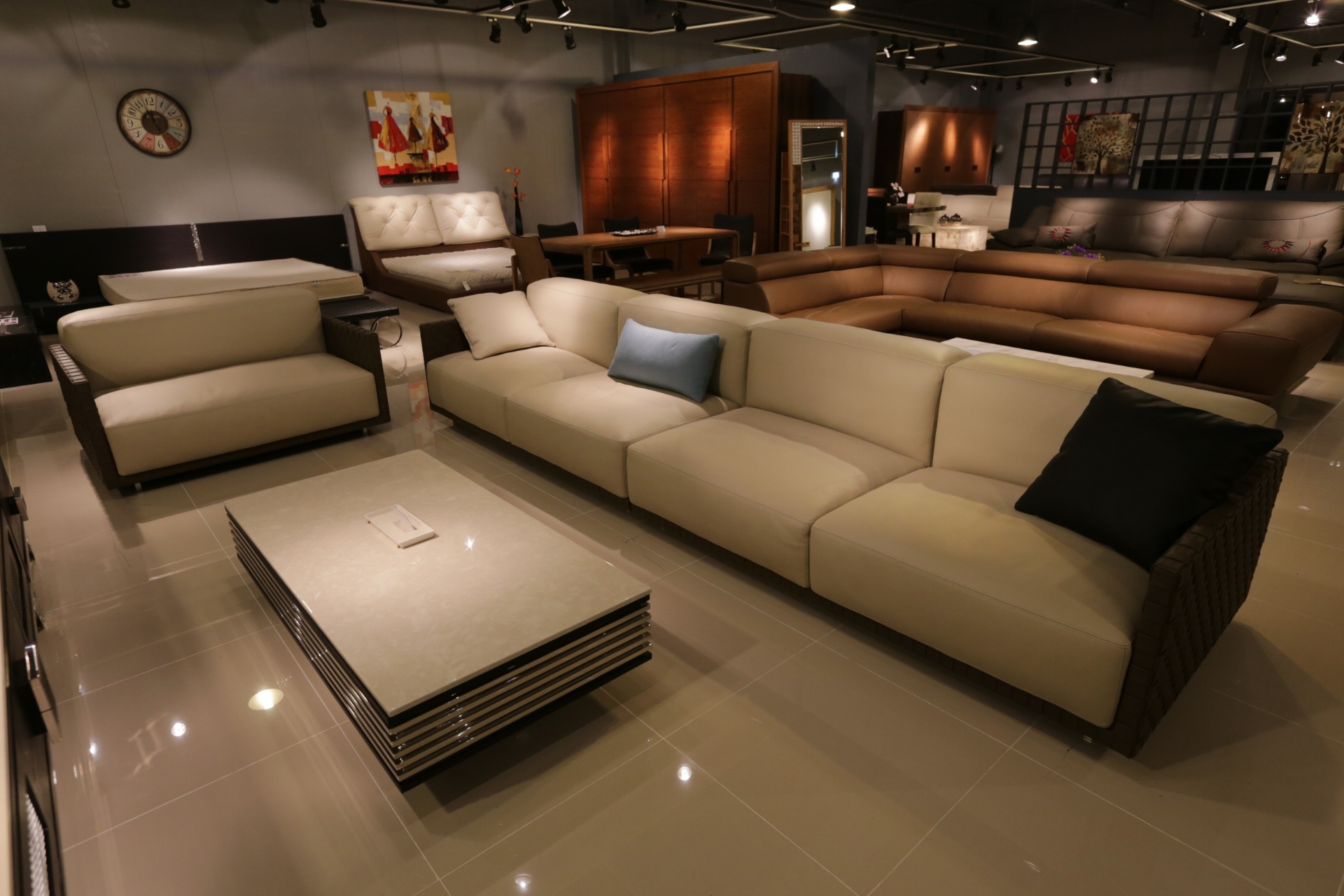
Redefining Interior Design with Jonghwan Baek’s Retail Vision
Published on: May 29, 2025
Image Name: The soft curves & organic textures
When you step into a Polène store, you’re not simply entering a place that sells handbags—you’re stepping into a crafted environment shaped by purpose, calm, and tactile warmth. Behind this experience is Korean architect Jonghwan Baek, who has redefined what modern luxury retail looks and feels like by blending heritage craftsmanship with minimalist, spatial clarity.
Baek’s work with the Polène brand, in Paris, is a lesson in restraint and grace. Every store interior is designed with the same exacting accuracy and care one would find in a luxury residential setting. Baek’s method provides hints for how physical environments could satisfy emotional as well as visual needs as retail interacts with interior design trends in 2025.
Sculpting Stillness with Natural Materiality
The most striking feature of Baek’s Polène stores is the sense of calm you feel the moment you enter. Through soft curves, solid forms, and organic textures, Baek transforms each space into a contemplative environment. You’re invited to slow down—whether you’re exploring a leather bag or simply moving through the space.
The interiors are largely composed of warm-toned travertine stone and wood, materials chosen not just for beauty but for their tactile presence. The forms echo natural landscapes, with sculptural displays that are more like gallery installations than traditional retail shelving. This approach aligns closely with modern home decor trends where minimalism, texture, and sensory experiences matter as much as color and layout.
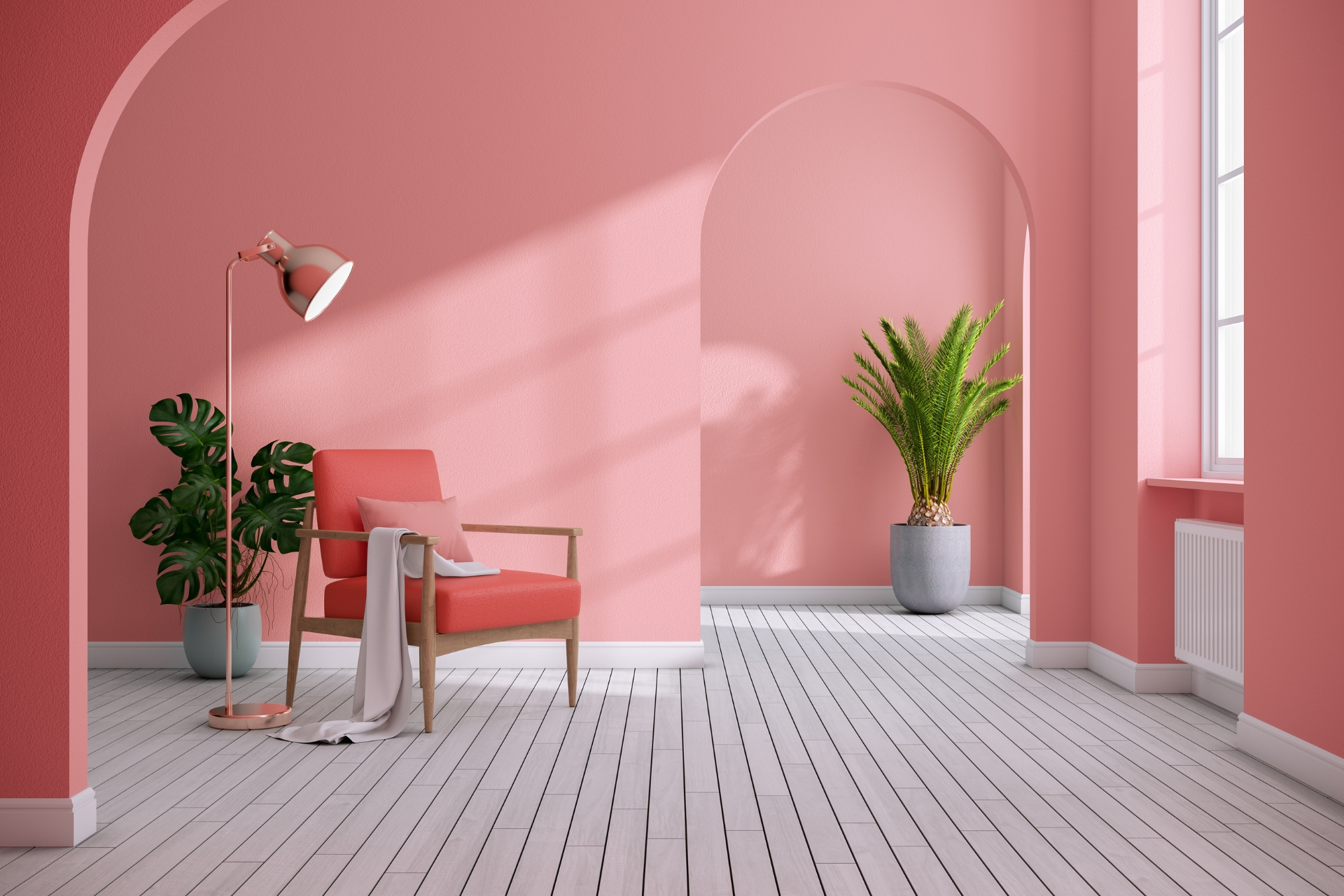
Image Name: Design That Prioritizes Emotion
Design That Prioritizes Emotion Over Display
A Polène store will not have strong lights or overbearing branding. Baek has instead created areas honoring silence and human presence. Focusing on how the space feels rather than only how it looks, every element and curve is selected to produce emotional harmony.
Baek’s work shows how design could affect feelings for those interested in interior design concepts or building a peaceful home atmosphere. The stores are clutter-free, with lots of negative space guiding your eye softly instead of aggressively. Recessed lighting also helps. The result is meditative, a lesson in architectural balance and quiet refinement.
Honoring Craft Through Architectural Language
Polène’s design philosophy, deeply rooted in craft and artisanal quality, is mirrored by Baek’s architectural language. His work doesn’t overshadow the product—it frames it. And this level of harmony between space and product is what gives Polène’s retail identity such strength.
By giving equal importance to voids and volumes, Baek creates a rhythm that mirrors the slow, intentional pace of craftsmanship. This mirrors principles found in many DIY home improvement projects where thoughtful execution outweighs visual excess. It’s a valuable design insight—less noise, more focus.
Every Store, A Localized Design Experience
While Polène stores have a uniform architectural DNA, Baek adjusts each site to fit its particular surroundings. Inspired by the old architecture and city vitality, the Madison Avenue store in New York, for instance, has an all-stone display layout. By using softer textures and more wood, the Seoul flagship connects with Korean history and domestic comfort.
This regional sensitivity captures one of the main ideas of contemporary house design—contextual design. Whether you’re updating your smart home equipment or your house décor, you have to fit your surroundings and way of life. Baek’s study supports the idea that universal design does not equate to exact replication.
Architectural Objects with a Sculptural Heart
Baek’s spatial design moves more toward sculpture than conventional building. The way the materials are carved and positioned guides your gaze softly from one instant to the next. Though never overpowering, this sculptural sensitivity gives the interiors an immersive quality.
This kind of integrated thinking—where form meets function, should be a major design lesson whether you’re looking at interior design ideas or even contemplating smart home technologies. Baek’s work reveals that visual minimalism frequently indicates deliberate layering and restraint rather than a lack of depth.
Calm luxury that transcends current trend
Baek’s architectural direction’s most powerful feature is maybe how timeless it feels. Polène’s stores choose peace above noise at a time when many businesses follow viral design fads. This kind of thinking corresponds with present trends in real estate and sustainable living, where long-term design thought is becoming appreciated over quick aesthetics.
Baek’s philosophy favors permanence—materials that age beautifully and layouts that invite exploration rather than dictate it. In your own home, these are valuable design cues: invest in pieces and layouts that grow with you, not ones that burn out with the next season’s Pinterest board.
A Blueprint for Mindful Design
Baek’s vision for Polène stores offers more than just a retail template. It offers a lens for rethinking how we approach interior design and home improvement trends. His emphasis on craft, emotional resonance, and local context serves as a compelling framework whether you’re redesigning a living room or planning a real estate upgrade.
For anyone interested in home decor, interior design ideas, or even smart home technology for the kitchen, the principles behind Baek’s work can be applied in subtle but transformative ways. Focus on material honesty, sculptural form, and emotional stillness—and you’ll create spaces that not only look beautiful but feel right.
Conclusion
Jonghwan Baek’s architectural work with Polène doesn’t just elevate luxury retail—it redefines it through care, context, and craftsmanship. His spaces demonstrate that excellent design doesn’t have to shout to be heard. Whether you’re shopping for a handbag or designing a reading nook, what matters most is how the space makes you feel. In today’s fast-paced world, that kind of mindful design isn’t just a trend—it’s a necessity.
