
The Rise of Neuroeducation in Modern Learning
Published on: January 20, 2026
The Microlearning
Think about the last time you tried to sit through a long lecture or training session. Maybe it was a college class, a professional webinar, or even an online course you were genuinely interested in. You start out focused. Twenty minutes in, your mind wanders. You check your phone, reread the same sentence twice, or realize you’ve heard the words but absorbed none of them.
In 2026, Neuroeducation exists because educators finally stopped blaming students for this disconnect. Instead, they started asking a harder question: what if the way learning has been structured for decades simply doesn’t match how the brain actually works?
That question has reshaped Education, EdTech, and even Higher Ed classrooms in ways that feel subtle on the surface but powerful in practice.
Why Your Brain Tunes Out Faster Than You Expect
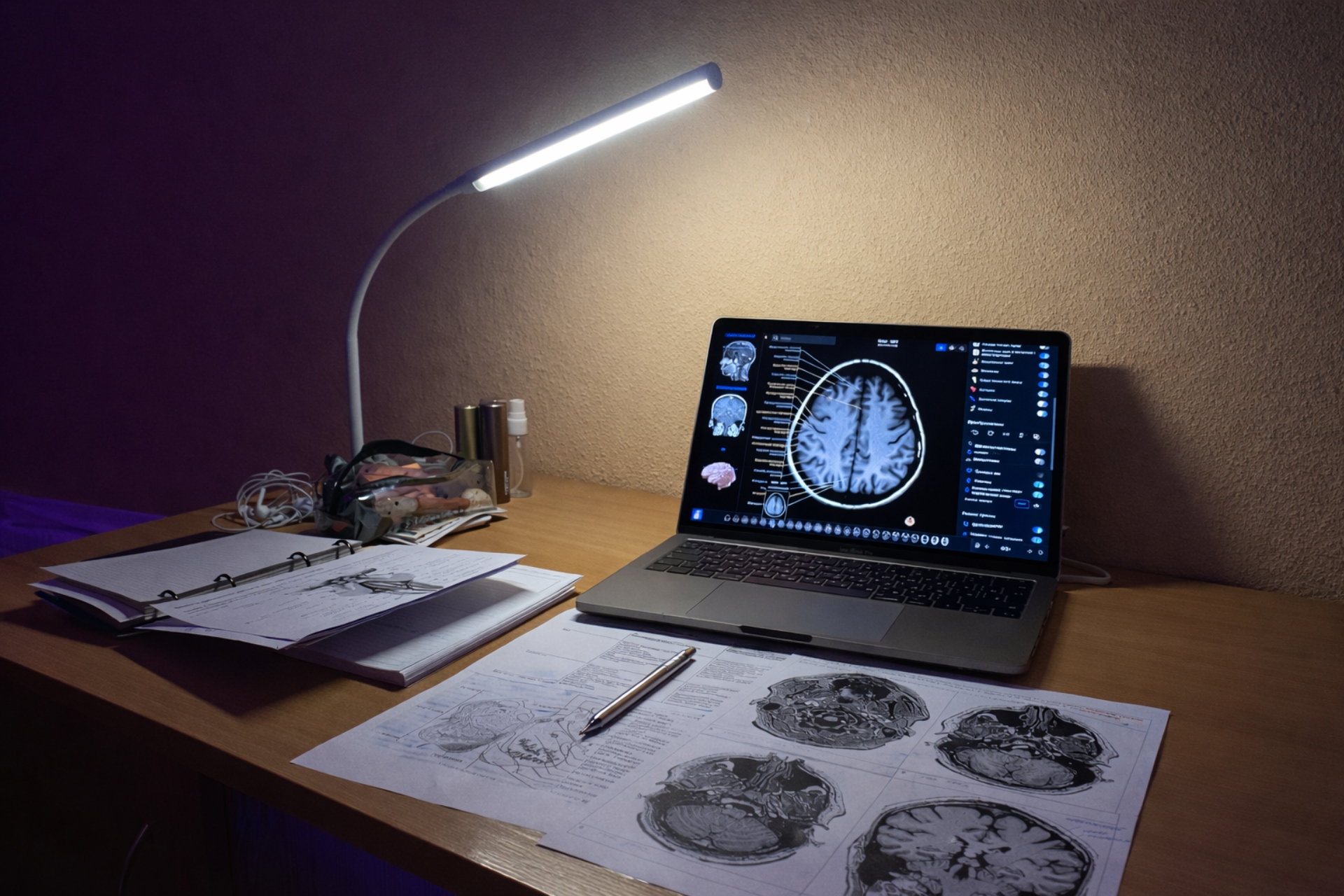
Your brain isn’t built for nonstop input. Neuroeducation research shows that attention relies on a limited executive system that tires quickly when information is delivered passively. Long lectures ask your brain to sit still and absorb, but biologically, it prefers movement, novelty, and pauses.
This explains why “trying harder” rarely fixes focus issues. By 2026, many educators accept that attention loss isn’t a motivation problem. It’s a design problem. Learning environments are now built to work with attention instead of fighting it, which has reshaped teaching style, pedagogy, and lesson planning across schools and universities.
Microlearning Changed the Pace of Learning
Microlearning has become one of the most visible shifts tied to Neuroeducation. Instead of hour-long sessions, you now encounter short, focused learning moments that last just a few minutes.
This doesn’t mean learning is shallow. It means your brain gets information in amounts it can actually process. When you complete a small learning unit, your brain registers progress. That sense of completion matters more than most people realize. It keeps you engaged without draining your mental energy.
You see this approach everywhere now—from AI in Education platforms to hybrid learning models used in Higher Ed and professional training. Even Teachers of Instagram rely on short, clear explanations because they match how attention works in real life.
Why Spaced Learning Sticks Longer
If you’ve ever crammed for an exam, you already know how quickly information disappears afterward. Neuroeducation tackles this problem through spaced repetition, which spaces learning over time instead of forcing it all at once.
Your brain strengthens memory by revisiting information just as it begins to fade. In 2026, this process is often supported by EdTech tools that prompt short reviews at the right moment. These systems don’t overload you. They quietly reinforce learning in the background.
This shift matters beyond school. As education becomes more connected to workforce readiness and Skills First pathways, long-term retention matters more than test-day performance. Learning that sticks is learning you can actually use.
Higher Education Reform
What Learning Spaces Look Like Now
Neuroeducation hasn’t just changed what you learn. It’s changed how learning feels. Walk into a modern classroom or digital course and you’ll notice small differences that add up.
You’re more likely to experience:
- Short learning segments instead of extended lectures
- Frequent low-stakes checks for understanding
- Movement or reset moments to prevent mental fatigue
- Mixed formats like discussion, visuals, and reflection
These adjustments support student wellbeing without lowering standards. In fact, they often improve outcomes because learners stay engaged longer.
The Risk of Going Too Fast
Neuroeducation isn’t about shrinking everything into bite-sized content. That’s a common misunderstanding. While microlearning builds foundations efficiently, deeper thinking still needs uninterrupted time.
In 2026, the strongest learning models blend short learning moments with longer periods of focused work. You might absorb concepts quickly, then apply them through problem-solving, writing, or discussion. This balance helps avoid surface-level understanding while still respecting how the brain manages energy.
The Future of Education isn’t faster learning. It’s better-timed learning.
Why This Shift Matters in Real Life
Neuroeducation resonates because it reflects how people actually live. Learning no longer happens only in classrooms. It can happen in the breaks between meetings, after work, or when changing careers. Now, school systems know that freedom is just as important as instruction.
Brain-based strategies, hybrid learning models, and microlearning all help with digital citizenship by supporting focused attention instead of nonstop consumption. Additionally, they understand that attention is limited, especially in a world full of alerts and different needs.
Respect is at the heart of neuroeducation—respect for the brain and the real world that students live in every day.
A Way to Learn That Will Last Longer
Neuroeducation doesn’t offer quick fixes. Alignment is what it gives. When you learn in a way that works with how your brain processes, stores, and remembers knowledge, it’s easier to keep up and last longer.
The best thing you can do to improve your learning in 2026 is not to study longer. It helps you study better. Many times, short sessions, spaced review, and planned breaks work better than forcing yourself to concentrate for hours on end. Neuroeducation isn’t rewriting learning by making it easier. It’s rewriting it by making it human.
